
Mountain Mint: A Refreshing Herb for Garden and Table
- Sokun Hourn
- Jun 5, 2025
- 2 min read
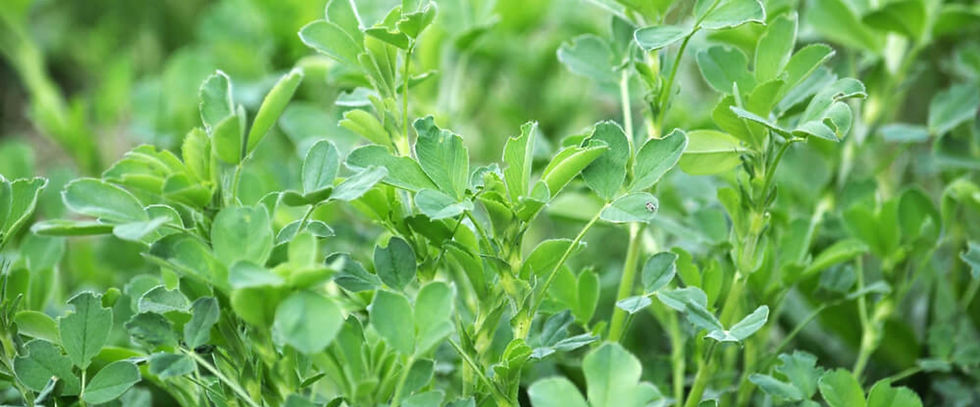
Mountain mint (Pycnanthemum spp.) is a perennial herb native to North America, known for its distinctive flavor and fragrance. This versatile plant is perfect for adding a burst of freshness to teas, salads, and other culinary creations.
Characteristics and Growing Conditions
Mountain mint is a hardy, low-maintenance herb that thrives in zones 4-8. It prefers well-drained soil and partial shade to full sun. The plant grows 2-4 feet tall, with attractive, variegated leaves and delicate white or pink flowers that attract pollinators.
Culinary Uses
Mountain mint's flavor profile is a unique blend of peppermint, spearmint, and oregano, making it a great addition to various dishes. Use the leaves in:
- Teas: Steep fresh or dried leaves for a soothing, caffeine-free drink.
- Salads: Add chopped leaves to green salads, fruit salads, or grain salads.
- Sauces and marinades: Infuse mountain mint into vinegar, oil, or yogurt-based sauces.
- Cocktails: Muddle fresh leaves with lime juice and spirits for a refreshing twist.
Medicinal Properties
Mountain mint has been used in traditional medicine for its:
- Digestive benefits: Calming properties may help alleviate nausea and indigestion.
- Anti-inflammatory properties: May help reduce pain and inflammation.
- Antimicrobial properties: May help combat bacterial and fungal infections.
Growing Tips
To incorporate mountain mint into your garden:
- Plant in well-drained soil with partial shade to full sun.
- Water regularly, but avoid overwatering.
- Prune regularly to promote bushy growth and prevent flowering.
- Divide and replant every 3-4 years to maintain plant vigor.
Conclusion
Mountain mint is a delightful herb that offers a range of uses, from culinary to medicinal. Its unique flavor and fragrance make it a great addition to any garden or kitchen. Consider adding mountain mint to your herbal repertoire and discover its refreshing charm.


Comments