
The Wild Bean: A Symbol of Resilience and Beauty
- Sokun Hourn
- Jul 15, 2025
- 1 min read
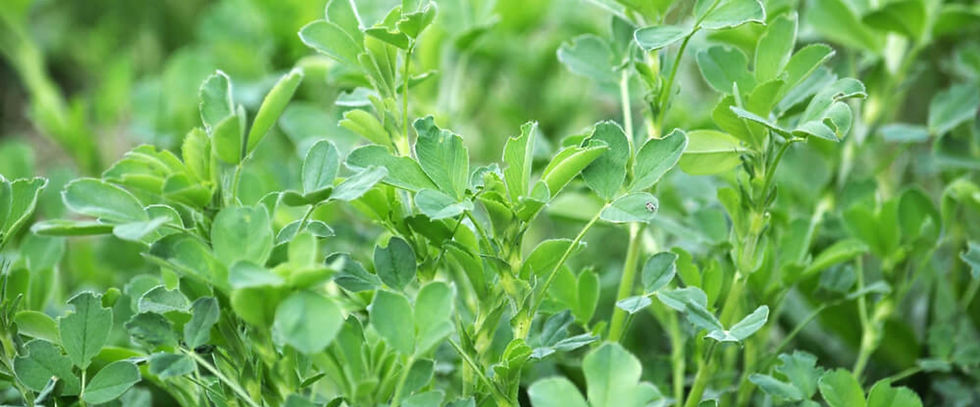
In the vast and wondrous world of plants, the wild bean stands out as a testament to nature's ingenuity and beauty. This unassuming yet remarkable legume has adapted to thrive in a variety of environments, captivating the hearts of gardeners, naturalists, and anyone who's ever had the pleasure of encountering it.
A Brief Introduction
The wild bean (Phaseolus spp.) is a climbing plant that belongs to the Fabaceae family. Its origins can be traced back to the Americas, where it has been a vital source of nutrition for countless generations. With its delicate tendrils and vibrant flowers, the wild bean is a charming addition to any landscape.
Ecological Significance
Beyond its aesthetic appeal, the wild bean plays a crucial role in many ecosystems. As a nitrogen-fixing legume, it enriches the soil, supporting the growth of other plants and microorganisms. This remarkable ability makes it an invaluable component of sustainable agriculture and permaculture practices.
Cultivation and Care
For those interested in growing wild beans, it's essential to provide the right conditions. These plants prefer well-drained soil and full sun to partial shade. With proper care, they can thrive and become a stunning feature in any garden.
Conclusion
The wild bean is a true marvel of nature, offering a wealth of benefits and beauty. Whether you're a seasoned gardener or simply someone who appreciates the wonders of the natural world, this incredible plant is sure to captivate and inspire.


Comments